
Gardeners
Search
Gardeners
Search
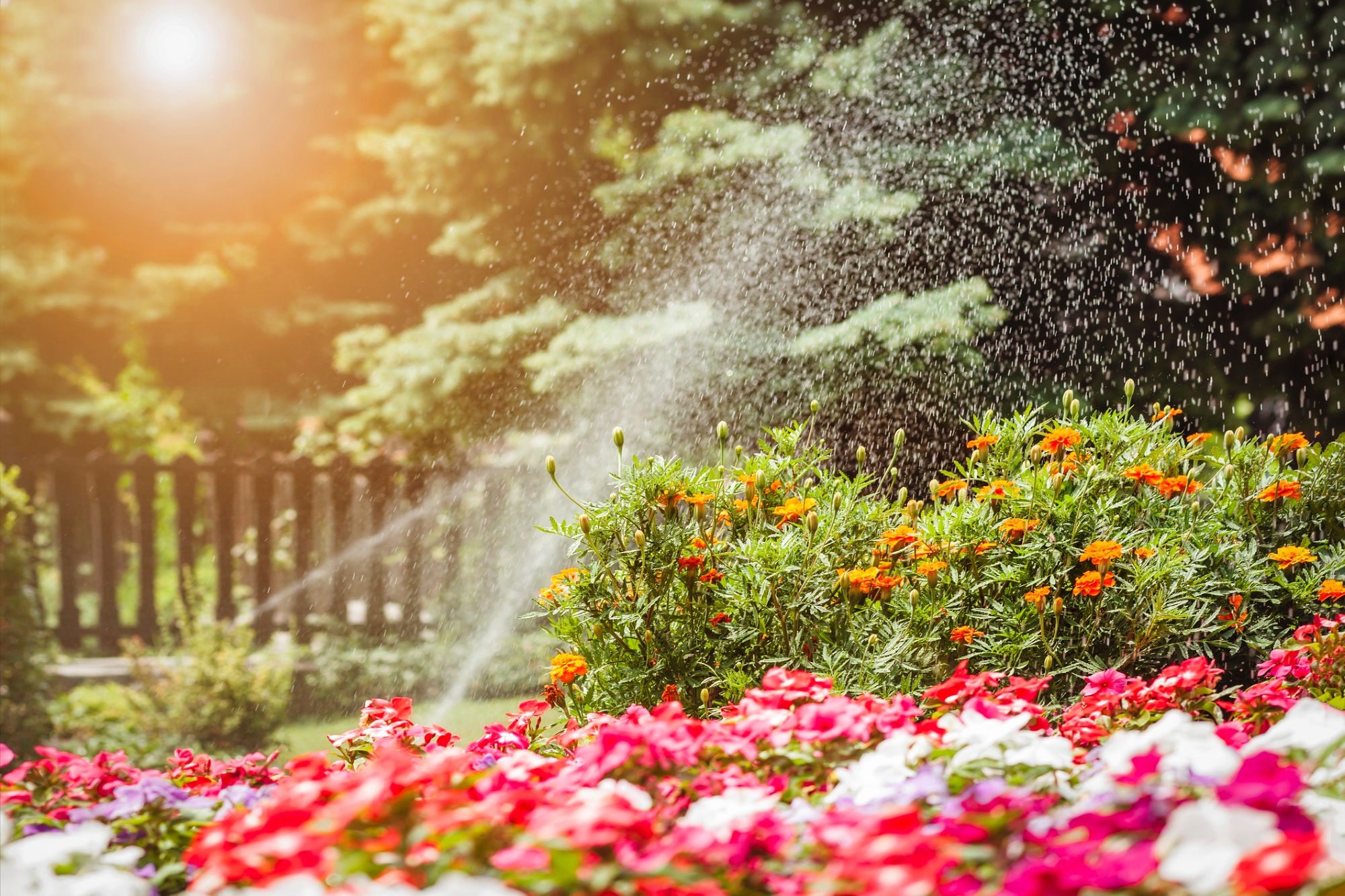
The recent heatwave has likely had households wondering whether they’ve been watering their plants enough. We’re not used to scorching weather, so when it does arrive, we want to make sure it doesn’t destroy our lovely gardens.
There is a common belief that you should avoid watering your plants in full sun as it’ll cause the leaves to scorch or burn, because water droplets act like magnifying glasses. However, research has shown that this is mostly a myth, as it’s unlikely to cause enough magnification to burn healthy foliage.
That being said, there are precautions to be taken, and reasons why watering in the blazing sunshine isn’t always ideal.
For instance, by choosing the hottest part of the day, you’ll potentially lose more water through evaporation before it’s reached your plant's roots, at a point in the day when plants may be experiencing greater stress.
The best time of day is early in the morning. This is for several different reasons; in contrast to the sun, cooler temperatures mean less evaporation. Plus, it gives plants plenty of time to soak up that H2O goodness before the heat arrives, and encourages strong root development. Failing that, evening is your second-best option, for a lot of the same reasons.
If you notice signs of wilting or stress, it is wise to water immediately rather than wait, if your plants need it, but aim the water at the base rather than the foliage.
You might be wondering how there could be more than one way, but there are a few tips to keep in mind for best practice:
On a final note, it’s time to settle the tap water vs rainwater debate and whether one is better than the other.
Rainwater is generally considered to be the better option. This is because it’s naturally soft, free from treatment chemicals and contains small amounts of dissolved nutrients. Plus, some acid-loving plants prefer it, such as rhododendrons, azaleas and blueberries.
In comparison, tap water is perfectly safe for most garden plants. However, in hard-water areas, long-term use can gradually increase soil alkalinity. For most domestic gardens, the difference is relatively small, but rainwater harvesting is environmentally friendly and reduces mains water use.